
Explore This Story
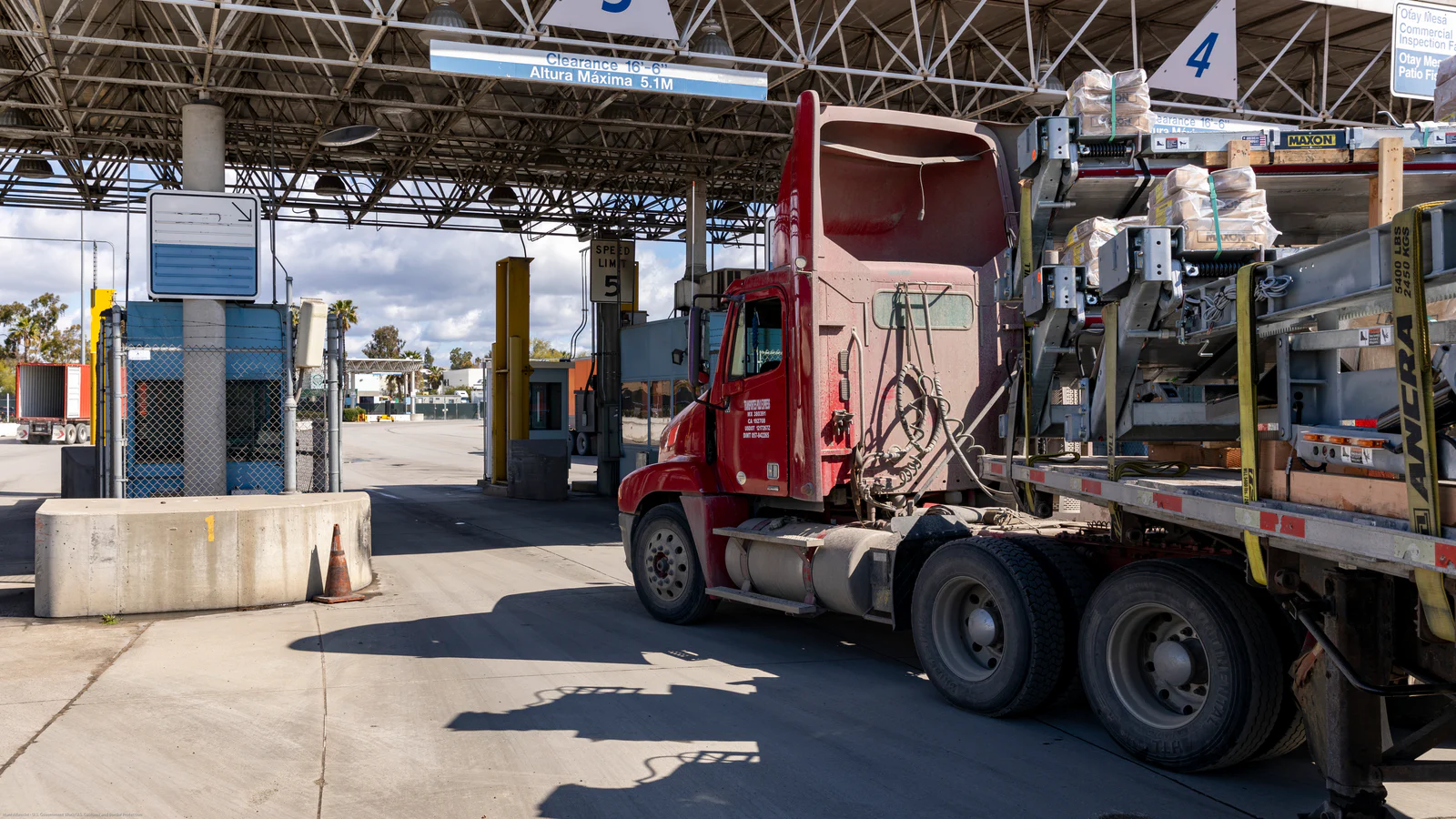
Customs enforcement rarely gets the political attention it deserves because it lives in the bureaucratic middle ground between trade, border security, law enforcement, and consumer safety. President Trump’s June executive order on strengthening customs enforcement puts that quiet corner of government in the spotlight, and for good reason. If import rules are weak, foreign actors can undercut American businesses, dodge duties, conceal origin, exploit forced labor, and move unsafe or unlawful goods into the country.
The White House fact sheet says the order directs the Department of Homeland Security and U.S. Customs and Border Protection to strengthen requirements for importers of record. That includes higher bonding requirements, a minimum level of tangible domestic assets or bonding, heightened requirements for foreign importers of record, a good-standing requirement, and stronger vetting for those involved in import activity. In plain English, the administration is trying to make sure the person or entity bringing goods into the country can be identified, held accountable, and made to pay what the law requires.
That should matter to every American producer trying to follow the rules. A domestic manufacturer has to pay American wages, comply with U.S. safety requirements, follow tax law, navigate environmental standards, and compete in a market where consumers are price sensitive. If a foreign importer can use shell entities, opaque paperwork, undervaluation, transshipment, or duty evasion to lower costs illegally, the playing field is not merely uneven. It is rigged.
The executive order’s stated purpose is broader than revenue collection. The White House says customs enforcement prevents unlawful and dangerous goods from entering the country, ensures importers are accountable for duties owed, and enforces laws involving forced labor, rules of origin, origin marking, intellectual property, product safety, and revenue. That list shows why customs is a national security issue. It is also a family issue. Parents do not want unsafe products. Workers do not want factories closed by fraud. Taxpayers do not want law-abiding businesses punished while violators keep moving shipments.
The order also directs disclosure and certification requirements to combat duty evasion and supply-chain noncompliance. Transparency is essential because import fraud often hides behind complexity. A product may be designed in one country, assembled in another, routed through a third, and sold through a marketplace that obscures who is responsible. Without clear records and accountable importers, enforcement agencies are left chasing paperwork after the damage is done.
One of the more aggressive provisions described by the White House is a 50 percent minimum penalty floor limiting CBP discretion to reduce assessed penalties for importers who violate customs laws. Supporters will argue that weak penalties become a cost of doing business. Critics will worry about flexibility, especially for small businesses that make good-faith mistakes. The right approach is to punish fraud firmly while keeping processes fair and predictable. But the baseline should be clear: intentional customs evasion is not a paperwork problem. It is economic sabotage against lawful competitors.
The administration also points to the de minimis loophole, which it says had been exploited by foreign shippers to flood American markets with cheap, duty-free goods and funnel illicit fentanyl into the country. The White House says the One Big Beautiful Bill Act permanently repealed the statutory basis for the de minimis exemption worldwide, effective July 1, 2027. Voters should watch that implementation closely because ending a loophole on paper is easier than building the inspection, data, staffing, and enforcement systems needed to handle new volume.
Customs reform can also protect intellectual property. American innovators should not see their designs copied abroad and then shipped back into the U.S. market with minimal accountability. Stronger importer vetting and clearer liability can help, but enforcement must be fast enough to matter. A small business cannot wait years for relief while counterfeit or infringing products eat its market share.
Conservatives should support customs reform because it ties border seriousness to economic fairness. Border security is not limited to people crossing between ports of entry. It also includes the legal channels through which goods enter the country. A nation that cannot identify who is importing products, where those products really came from, and whether duties are being paid has surrendered too much control.
The warning is implementation. If new rules become another compliance burden mainly absorbed by honest companies, reform will fail. The administration should focus enforcement on bad actors, improve data systems, coordinate with legitimate importers, and publish transparency reports that show measurable results. Customs enforcement is where America decides whether trade law is real. If Trump’s order makes foreign importers play by the rules and protects American workers from fraud, it will be a quiet but important win.
This is also an issue where Republicans can speak directly to voters who feel globalization was enforced against them but not against cheaters. The message should be simple: lawful trade is welcome, fraud is not. If foreign sellers want the benefits of the American consumer market, they should accept traceability, accountability, and penalties when they break the rules. That is not protectionism for its own sake. It is basic national self-respect.
This article is labeled as opinion. AI assistance status: used in drafting. Publication requires human editorial review.